
- All
- Product Name
- Product Keyword
- Product Model
- Product Summary
- Product Description
- Multi Field Search
Please Choose Your Language

Views: 0 Author: Site Editor Publish Time: 2025-12-09 Origin: Site


In the world of industrial assembly and maintenance, achieving a secure and reliable electrical connection is essential. Whether you’re working with electrical cables, wires, or connectors, the process of crimping plays a vital role in ensuring durability and performance. However, achieving the perfect crimp every time can be a challenge, especially without the right tools or technique.
Pneumatic crimping tools are an essential part of the modern toolkit, offering precision, efficiency, and consistent results that manual crimping cannot match. This guide will walk you through the essential steps of using pneumatic crimping tools, helping you achieve perfect crimps every time. If you are looking for high-quality pneumatic crimping tools, Zhejiang VASUNG Tools Co., Ltd. is an excellent place to explore your options.
A pneumatic crimping tool is a specialized device powered by compressed air. Unlike manual crimping tools that require physical force, pneumatic tools use air pressure to apply consistent, controlled force to crimp electrical connectors onto wires. These tools are particularly beneficial when working with high volumes or precision crimping, as they provide uniform pressure and reduce human error.
The key advantage of pneumatic crimping tools is their ability to ensure consistent crimps without the risk of over-crimping or under-crimping. This leads to improved connection integrity, making pneumatic tools essential for industries such as automotive, electronics, and manufacturing.
Before you begin crimping, it is crucial to choose the right pneumatic crimping tool for the task at hand. Pneumatic crimping tools come in various types, each designed for specific applications. Some are suitable for crimping connectors onto single wires, while others are ideal for multi-conductor cables.
Here are some factors to consider when selecting a pneumatic crimping tool:
Connector Type: Ensure the tool is compatible with the type of connector you are using. Different connectors (such as butt connectors, ring terminals, or spade terminals) may require different crimping dies.
Wire Size: Pneumatic crimping tools are designed to handle specific wire gauges. Ensure that the tool is rated for the wire size you are working with to avoid damaging the wire or the connector.
Crimping Pressure: Different applications may require different amounts of pressure. Some tools offer adjustable pressure settings to allow for customization based on the job.
At Zhejiang VASUNG Tools Co., Ltd., we provide a range of pneumatic crimping tools designed to meet the needs of professionals in various industries. Our tools are crafted for precision, durability, and ease of use, ensuring that your crimps are perfect every time.
Once you’ve selected the appropriate tool, the next step is to prepare both the wire and the connector for crimping. Proper preparation is key to achieving a secure and reliable crimp. Follow these steps:
Strip the Wire: Use a wire stripper to remove the insulation from the wire. The length of the stripped wire should match the connector’s requirement. Be careful not to nick or damage the wire strands while stripping the insulation.
Select the Correct Connector: Choose the connector that fits your wire gauge. For example, if you're working with a 12 AWG wire, select a connector rated for that gauge.
Insert the Wire into the Connector: Carefully insert the stripped wire into the connector’s barrel. Ensure the wire is inserted all the way into the connector, making contact with the metal portion of the connector. The wire should not be visible beyond the connector’s barrel.
Inspect the Setup: Before crimping, double-check the alignment of the wire and connector. Ensure that the wire is properly seated and the insulation is not inside the crimp area. Misalignment can lead to weak connections that may fail over time.
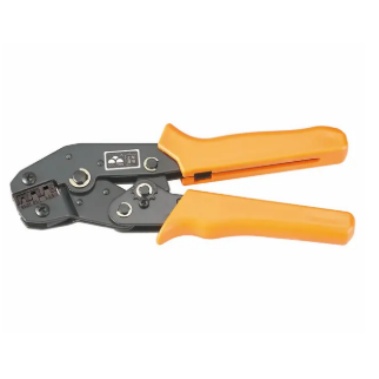
Now that you have the wire and connector ready, it's time to adjust your pneumatic crimping tool. Most pneumatic crimping tools have settings that control the force applied during crimping. Here’s how to set it up:
Adjust the Crimping Pressure: Set the appropriate crimping pressure for your wire size and connector type. Consult the tool’s manual for the recommended pressure settings based on the wire gauge and connector. For more precise work, some tools allow you to fine-tune the pressure to match your needs.
Check the Crimping Die: The die is the part of the tool that applies the pressure to the connector. Pneumatic crimping tools come with a variety of dies for different connectors. Make sure the die is correctly installed and is the right size for your application.
Test the Tool: If possible, perform a test crimp with a scrap wire and connector to ensure that the tool is properly calibrated. A good crimp should result in a secure connection with no visible damage to the wire or connector.
At Zhejiang VASUNG Tools Co., Ltd., our pneumatic crimping tools are engineered for ease of use and precise control, allowing you to quickly adjust settings and ensure accurate crimps every time.
Once everything is set up, it's time to crimp the connector onto the wire. Follow these steps:
Position the Connector in the Tool: Place the prepared wire and connector into the crimping tool’s jaws. Ensure the wire is aligned properly within the connector barrel and the tool’s dies are aligned with the crimping area.
Activate the Tool: Press the trigger or button to activate the tool. The pneumatic pressure will automatically apply the correct amount of force to the connector, securely crimping it onto the wire.
Inspect the Crimp: After the crimping tool has completed the cycle, carefully inspect the crimped connection. The crimp should be tight and secure, with no visible gaps between the connector and wire. The wire should be firmly held in place, with no chance of it pulling out.
Once the crimp is completed, it’s crucial to test the connection to ensure its integrity. This step ensures that the crimp will perform reliably in the field and under stress.
Pull Test: Gently pull on the wire to ensure that it is securely attached to the connector. If the wire pulls out or the crimped area becomes loose, the crimp was not successful, and the process may need to be repeated with a new connector.
Electrical Test: If applicable, use a continuity tester or multimeter to check the electrical connection. A good crimp should provide a low-resistance connection, allowing electrical current to flow freely.
Visual Inspection: Lastly, perform a visual inspection of the crimp. The connector should be neatly crimped with no visible cracks or distortions. The wire should be properly seated inside the connector and should not show any signs of damage.
Once you have perfected the crimping process for one connection, repeat the steps for the remaining wires and connectors. Ensure that each crimp is secure and reliable before moving on to the next.
For businesses that require high-volume crimping, pneumatic crimping tools are ideal for ensuring consistent results and minimizing human error. At Zhejiang VASUNG Tools Co., Ltd., we offer a range of pneumatic crimping tools designed to meet the needs of industries that demand precision and efficiency.
Using pneumatic crimping tools can significantly improve the quality and efficiency of your crimping process, ensuring that every connection is secure, reliable, and long-lasting. By following the proper steps—from selecting the right tool to testing the crimped connection—you can achieve perfect crimps every time.
At Zhejiang VASUNG Tools Co., Ltd., we understand the importance of precision and durability in crimping tools. Whether you’re working with small electrical projects or large-scale industrial applications, our pneumatic crimping tools are designed to help you get the job done quickly and efficiently.
If you're looking to enhance your crimping capabilities and ensure consistent results, we invite you to explore the high-quality tools we offer. Zhejiang VASUNG Tools Co., Ltd. is committed to providing reliable, professional-grade pneumatic crimping tools that meet the highest standards of performance. Feel free to contact us to learn more about our products and how they can benefit your operations.
What makes pneumatic crimping tools better than manual ones?
Pneumatic crimping tools provide more consistent and precise force, reducing human error and ensuring a stronger, more reliable connection compared to manual tools.
Can pneumatic crimping tools handle different wire sizes?
Yes, most pneumatic crimping tools are adjustable and can handle a wide range of wire sizes and connector types, making them versatile for various applications.
How often should I maintain my pneumatic crimping tool?
Regular maintenance is essential. Inspect the tool periodically, clean it to prevent dust buildup, and ensure the pneumatic system is functioning properly for optimal performance.
Are pneumatic crimping tools suitable for high-volume crimping?
Yes, pneumatic crimping tools are ideal for high-volume applications due to their speed,


