

Views: 0 Author: Site Editor Publish Time: 2026-07-28 Origin: Site


Upgrading from manual ratcheting tools marks a critical transition in your electrical work. You probably do not need the bulk or extreme expense of utility-grade presses. However, you still need superior force to achieve cold-welded, void-free terminations consistently. Poorly executed crimps quickly lead to thermal events, severe voltage drops, and critical compliance failures.
Addressing these risks requires reliable equipment tailored to your specific application. In this guide, we will explore how to evaluate tool architecture, die compatibility, and core hydraulic reliability. You will learn to navigate the market without falling for exaggerated marketing claims.
We will examine essential features, maintenance realities, and practical comparisons to help you choose the ideal crimper. This ensures you secure robust connections while maintaining ergonomic efficiency on every job site. By the end, you will know exactly how to match the right tool to your specific cable gauges and operational demands.
An 8 ton hydraulic crimping tool is the optimal middle-ground for medium-duty electrical work, typically cleanly handling up to 00 AWG (2/0) cable.
Tool longevity depends heavily on cylinder seal quality (O-rings) and the presence of a reliable pressure-relief valve.
Die standardization matters: Always select a tool that accepts universal hex dies rather than proprietary sets.
For heavier, consistent utility work, upgrading to a 10 ton hydraulic crimper may be required, but 8 tons covers 90% of commercial panel and automotive battery cabling.
Let us define the capacity limits clearly. An 8 ton hydraulic crimping tool generally handles 12 AWG up to 00 AWG cable sizes. It can sometimes accommodate up to 4/0 depending on the terminal material. This rating covers most commercial panel wiring and automotive battery setups. You rarely need more force for standard copper lugs. The hydraulic mechanism ensures clean compression. It compacts stranded wire into a solid, unified mass. This prevents dangerous air gaps inside the terminal.
The divide between 8-ton, 10-ton, and 16-ton tools is significant. Over-buying represents a waste of capital. It also creates a massive ergonomic burden. Larger tools weigh considerably more. They tire out your arms during overhead work. We must compare standard mid-range options against a 10 ton hydraulic crimper. Tools rated for 10 tons or more usually pump slower. They require more handle strokes to reach full pressure. You only need this extra capacity for heavy-gauge utility lines. Hardened metal connectors also demand higher tonnage. Otherwise, stick to the lighter option for daily tasks.
Consider the capital investment versus risk formulation. Purchasing a reliable hydraulic tool protects your installations. Failed manual crimps carry immense liability. They lead to expensive rework time. You risk failing municipal electrical inspections. More importantly, loose connections create severe fire hazards. A proper hydraulic press eliminates these risks entirely. It guarantees repeatable force across hundreds of terminations. You remove human fatigue from the equation. This yields safer, compliant electrical connections every single time.
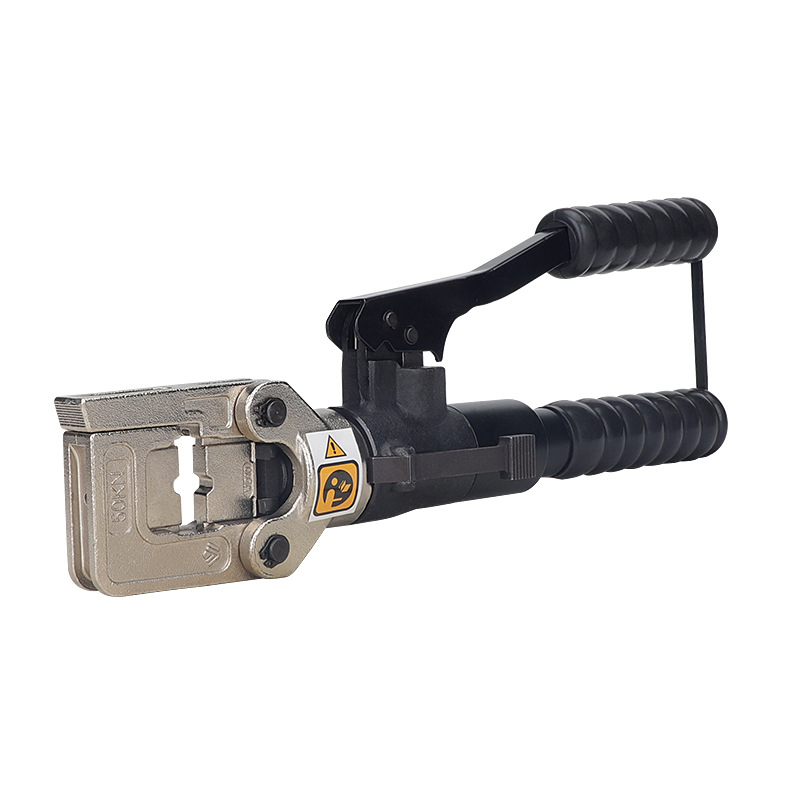
Die geometries dictate the quality of your connections. You need precision-machined hex dies. Cheap cast dies often cause flashing. Flashing occurs when metal extrudes out the sides of the mold. You must match the die to the specific lug material. Selecting a dedicated copper aluminum terminal crimper requires attention to detail. Aluminum flows differently under pressure compared to copper. Aluminum lugs generally require larger die sizing. This accommodates the necessary oxidation inhibitor compound. Copper requires tighter compaction to cold-weld the strands properly.
The physical shape of the crimper head determines where you can use it. Manufacturers typically offer two primary styles: C-heads and Latch-heads. Rotational capabilities also matter. A head rotating 180 to 360 degrees helps tremendously in confined spaces. You can align the tool without twisting the heavy gauge cable.
Architecture Style |
Primary Advantage |
Ideal Use Case |
|---|---|---|
C-Head Design |
Allows for quick, continuous die swaps and cable insertion. |
Open-air bench work and rapid repetitive crimping. |
Latch-Head Design |
Maintains a smaller physical profile for narrow clearances. |
Tight panel routing and cramped engine bays. |
Consistent pressure application is non-negotiable. You must prioritize tools featuring an automatic pressure relief valve. This valve produces an audible "click" or physically bypasses fluid. It triggers exactly when the ram reaches its maximum rated tonnage. This mechanism prevents dangerous over-crimping. It also stops operators from blowing out the internal cylinder seals by pumping too hard. Tools lacking this bypass valve force you to guess when the crimp is complete.
Evaluate the trade-offs in structural materials. Lightweight aluminum-alloy bodies reduce overall tool weight. This makes them highly desirable for overhead ladder work. However, they are prone to denting if dropped on concrete. Heavier steel constructions offer superior durability. They withstand harsh job site conditions better. Your choice depends entirely on your working environment. Mobile technicians usually favor lighter alloys. Shop-based fabricators often prefer robust steel bodies.
The market divides hydraulic crimpers into specific archetypes based on mold capacity and head design. Understanding these categories helps you pinpoint the exact tool for your daily operations.
Many entry-level models emulate a standard manual hydraulic design. The YQ-70 hydraulic tool represents this common archetype. It typically operates in the 4-8 ton range. The numeric designation usually indicates a 70mm² maximum cable capacity. These tools feature a straightforward pumping lever and a C-shaped head. They are incredibly reliable due to their simple internal mechanics. They work best for budget-conscious contractors. Mobile automotive technicians rely on them constantly. They also serve as excellent backup kits for larger utility crews.
Industrial applications often demand a more compact approach. Tools patterned after the HT-51 crimping tool design fill this void. This archetype often utilizes a latch-head configuration. The closed head offers superior stability during the compression phase. It utilizes very specific die sets designed for tight-tolerance industrial lugs. You will find these tools predominantly in confined space terminations. They excel in complex control panel wiring and specialized aviation applications.
You must assess your daily volume threshold before purchasing. Battery-operated tools carry a massive price premium. They often cost five to ten times more than manual equivalents. Consider these factors:
Low Volume (1-20 crimps daily): Manual hydraulic tools provide the best return on investment. They require zero charging and minimal maintenance.
Medium Volume (20-50 crimps daily): Manual tools remain viable. However, operator fatigue begins to affect workflow speed late in the day.
High Volume (50+ crimps daily): Battery-powered tools justify their expense here. They save hours of labor and prevent repetitive strain injuries.
Owning hydraulic equipment requires an understanding of fluid dynamics and mechanical wear. Ignoring maintenance limits the lifespan of your investment. You must recognize the common points of failure.
Cylinder seals represent the most common failure point. Every hydraulic stroke subjects the internal O-rings to massive friction. Over time, factory seals degrade and harden. This leads directly to oil leaks and pressure loss. You must inquire about the availability of rebuild kits before buying. High-quality tools utilize durable Nitrile or Viton seals. Cheap alternatives use generic rubber. Generic rubber deteriorates quickly when exposed to synthetic hydraulic fluids.
Dies bear the full brunt of the 8-ton force. Cheap cast dies warp gradually under this immense pressure. This warping causes calibration drift. A warped die will never deliver a cold-welded termination. It leaves microscopic air gaps inside the lug. You must visually inspect your dies regularly. Look closely for micro-fractures along the hexagonal edges. Replace any die showing signs of metal fatigue immediately.
Air bubbles inevitably enter the hydraulic cylinder over time. Trapped air causes a spongy pumping action. The ram will fail to advance properly. This reality makes bleeding a vital maintenance task. You must be able to easily bleed the tool. It should accept standard AW-32 or AW-46 hydraulic oil. If a tool lacks a accessible reservoir plug, it is a disposable asset. Do not treat unserviceable tools as long-term investments.
Environmental conditions drastically affect performance. Hydraulic fluid viscosity changes dramatically in winter. The oil thickens as temperatures drop below freezing. This thick fluid slows down the stroke speed. It also affects the internal pressure realization. You might pump the handle, but the ram moves sluggishly. Keep your tool in a heated truck cab during winter months. This maintains optimal fluid viscosity and ensures reliable operation.
Selecting the correct model requires a systematic approach. Do not rely on flashy packaging. Follow this logic to ensure your equipment matches your daily requirements.
Step 1: Audit your most common cable gauges and materials. Check the product specifications carefully. Ensure the kit includes the exact AWG or MCM dies you need right out of the box. Do not assume universal coverage.
Step 2: Verify die availability. Reject tools requiring proprietary dies. You want equipment accepting standard aftermarket hex dies. This prevents you from being locked into an expensive manufacturer ecosystem.
Step 3: Check warranty and serviceability. Look for transparent claims regarding seal warranties. Ensure replacement parts are readily available. A good manufacturer provides exploded parts diagrams for easy ordering.
Step 4: Cross-reference compliance. Ensure the tool, die, and lug combination aligns perfectly. It must meet UL or local code requirements for your specific project. Inspectors look closely at these matched components.
An 8-ton tool serves as the ultimate workhorse for medium-gauge electrical installations.
You must prioritize standard die compatibility above superficial accessories.
Always verify the presence of a mechanical pressure-relief mechanism to prevent over-crimping.
Ensure your selected tool can be bled and serviced using standard hydraulic fluids.
Choosing the right hydraulic press elevates the safety of your entire project. It guarantees repeatable, void-free connections. We highly recommend reviewing detailed specification sheets before buying. Consult a technical sales engineer to match the tool to your exact terminal supply. Take action now to audit your current equipment. Upgrade your crimping process to ensure long-term reliability and code compliance across all your jobs.
A: Generally, no. Stainless steel possesses high material hardness limits. An 8-ton model functions primarily as a copper aluminum terminal crimper. Compressing stainless steel wire rope fittings usually requires a 10-ton or larger tool. It also demands specific roll-crimping dies rather than standard electrical hex dies.
A: The difference lies mostly in naming conventions. The YQ-70 designation generally refers to a specific mold design. The "70" indicates a maximum capacity of 70mm² cable. Most standard 8-ton crimpers cover a similar range. The YQ-70 is simply a widely recognized industry blueprint for this size.
A: You should inspect the fluid level annually. Under daily repetitive use, replace the hydraulic fluid every two years. If you operate in extreme environments or notice a spongy pumping action, bleed the system and replace the fluid immediately to prevent internal seal damage.
A: You need the larger tool if you frequently work past the established threshold. Upgrade if your gauge size regularly exceeds 00 AWG. Daily repetitive use on very heavy utility lines or harder alloy terminals also justifies the upgrade. Otherwise, an 8-ton model is much faster and lighter.


