
- All
- Product Name
- Product Keyword
- Product Model
- Product Summary
- Product Description
- Multi Field Search
Please Choose Your Language

Views: 0 Author: Site Editor Publish Time: 2026-05-26 Origin: Site


You can use a cable lug crimping tool safely if you follow clear steps and use the right tools. Safe electrical connections help your systems work well and stop dangers. Products like the POSDER Cable Lug give good results because they use strong copper and a tin-plated finish. Always pick tools and materials that help you make a strong connection each time.
When you work with electrical systems, you must make every connection strong and safe. The right crimping technique helps you stop many problems. If you do not crimp cable lugs the right way, you can face big risks.
Bad crimping can cause many dangers in electrical work. You might see these problems:
More resistance at the connection spots
Heat building up in one place
Insulation breaking down
Systems stopping without warning
These issues can also happen if you use the wrong tool or do not get your cable ready:
Loose connections and heat rising
Too much or too little pressure, which makes things less safe
Weak bonds and less electricity flow
The table below lists some common risks and what they do:
Risk Type | Description |
|---|---|
Increased Resistance | More resistance at connection spots |
Localized Overheating | Heat builds up at crimped connections |
Insulation Degradation | Insulation gets weaker |
Unexpected Downtime | Systems stop working because of bad links |
Loose or bad crimps can make electrical parts fail, cause strange heating, and even start fires. You might also spend more time and money fixing things.
Using the right crimping method makes your electrical systems safer and more steady. It also helps your equipment last longer.
Good crimping makes connections stronger and helps electricity flow better. Butted seam disconnect terminals are very important for safe, steady, and strong electrical links in cars, factories, homes, and boats. Their butted seam barrel shape makes crimps stronger, stops wires from coming loose, and keeps electricity moving well.
If you pick good products like the POSDER Cable Lug, you get more good things. The tin-plated copper keeps away rust and damage. The non-insulated style works in many places and gives a strong, lasting hold. The special tin layer blocks water and air from touching the metal, even if the surface gets scratched.
A strong crimp means you can trust your connection to work, even when things get tough.
You need the right tools to make strong and safe electrical connections. Each tool has a special job. Using the correct tool helps you get a reliable crimp every time.
Here are the main tools and equipment you should have:
POSDER Cable Lug – Choose the right size for your cable.
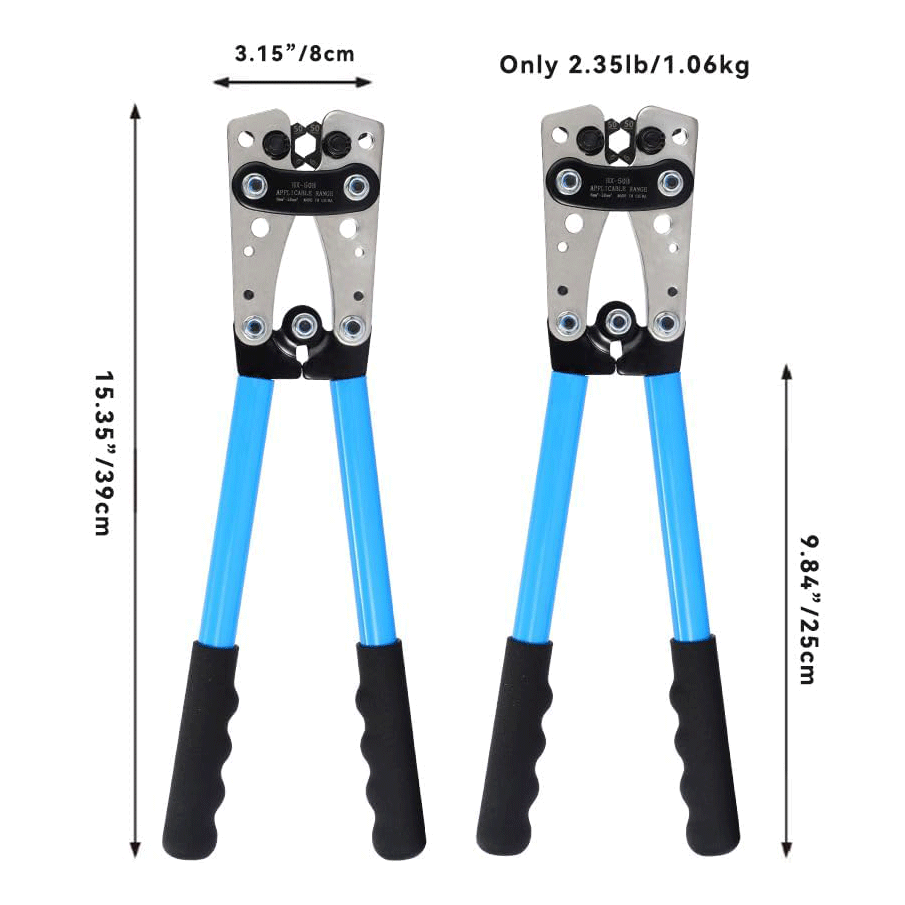
Cable lug crimping tool – Pick the type that matches your project. You can use hexagonal crimpers, hydraulic crimpers, or ratcheting crimpers.
Precision wire stripper – This tool helps you remove insulation without damaging the wire.
Calibrated dies – Make sure the die matches the lug size for a tight fit.
Vise – Use this to hold the cable steady if you need extra support.
Inspection gauge – Check your finished crimp for a secure connection.
The table below shows some common crimping tools and their features:
Crimping Tool Type | Features | Best Use Cases |
|---|---|---|
Hexagonal Crimping Tool | Uses matched dies for even compression | Power cables, high voltage systems |
Hydraulic Crimper | Gives high force, often battery-powered | Large lugs, heavy-duty jobs |
Ratcheting Crimper | Locks in place for steady pressure | Beginners, small to medium projects |
Using the right tool and die size is important. If you use the wrong combination, you can get a weak crimp or damage the cable. This can cause heat and even fire.
You must always think about safety when working with electrical tools. Wearing personal protective equipment (PPE) keeps you safe from cuts and flying bits of metal. Here are some key safety steps:
Wear gloves and safety glasses as your basic PPE.
Inspect your tools before you start. Look for cracks, rust, or loose parts.
Make sure you use the correct tool for your cable and lug.
Align the cable lug in the crimping tool before you squeeze.
Apply even pressure. Do not rush or use too much force.
Check your finished crimp. It should look neat and feel tight.
Clean your tools after use and store them in a dry place.
Tip: Always match the cable lug’s size and material to your cable. Replace any damaged lugs right away. If you are not sure, ask a qualified electrician for help.
Following these steps helps you avoid injury and keeps your electrical connections safe and reliable.
You need a clear process to make strong electrical connections. This step-by-step guide will help you use a cable lug crimping tool safely and get professional results. Follow each step to avoid mistakes and keep your work reliable.
Start by getting your cable and lug ready. Good preparation is the key to a strong crimp.
Cut the cable cleanly with a sharp cutter. Make sure the end is straight.
Strip the insulation from the cable. Remove just enough so the bare wire fits inside the lug barrel. Do not cut or damage the copper strands.
Clean the wire. Wipe away dirt or oxidation to get a shiny metallic surface.
Pick the right lug. Match the lug size to your cable and the equipment you will use.
Check the lug. Make sure it is not bent or damaged.
Tip: Always use a quality wire stripper. This tool helps you avoid cutting the wire strands, which keeps your connection strong.
Knowing how to use crimping tools is important for a safe and solid connection.
Choose the correct die for your cable lug crimping tool. Check the color code or size chart from the manufacturer.
Insert the lug into the die. Make sure the seam lines up with the die as recommended.
Place the stripped cable into the lug. Push it in until the wire reaches the end of the barrel.
Use a vise if you need extra support. This keeps the cable steady while you crimp.
Squeeze the handles of the crimping tool with steady pressure. Do not rush. Complete the full cycle so the crimp is tight and even.
Note: Using the right die and steady pressure is one of the best practices for a reliable crimp. If you use the wrong die, your connection may be weak.
You must crimp battery cable lugs with care to meet safety standards.
Measure and strip about half an inch of insulation from the cable.
Select a lug that matches both the wire size and the stud size.
Insert the wire fully into the lug barrel. The copper should reach the end.
Use your cable lug crimping tool to compress the lug. Apply even pressure until the tool stops.
Check that the crimp is centered and the barrel is not cracked or deformed.
Slide heat shrink tubing over the connection. Use a heat gun to seal it. This step keeps out moisture and adds strain relief.
Always use a dedicated crimping tool, not pliers. This ensures your crimp battery cable lugs are secure and last a long time.
Inspection is the final step. It helps you catch problems before they cause failures.
Look at the crimp. The indentation should be centered, and there should be no cracks.
Tug gently on the cable. The wire should not pull out of the lug.
Use a pull gauge if you have one. This checks the strength of your connection.
Check for even compression. The crimp should look smooth and neat.
If possible, measure the crimped area with a caliper. It should match the manufacturer's size chart.
Inspection Method | Description |
|---|---|
Visual Inspection | Check for cracks, deformation, and correct crimp position. |
Mechanical Testing | Verify pull-out strength and ensure stability. |
Electrical Testing | Measure resistance and monitor heat under load. |
Regular inspection helps you find defects early. This keeps your electrical system safe and working well.
By following this step-by-step guide, you will learn how to use crimping tools the right way. You will also know how to crimp battery cable lugs securely and check your work for quality. These steps help you make strong, safe connections every time.
When you work with cable lugs, you can run into common crimping mistakes. These errors can cause weak connections, overheating, or even system failure. You can avoid these problems by learning what they are and how to prevent them.
Many people use the wrong tool or die size for their cable lugs. This mistake can lead to poor connections and high resistance. Here are some issues you might see:
Using pliers or cheap tools instead of a proper crimping tool leaves air gaps and weakens the connection.
Choosing the wrong die size for your cable type can cut wire strands or make the crimp too loose.
A poor fit can cause the insulation to melt or the cable to fail after a short time.
You should always check the AWG rating and match your POSDER Cable Lug to the right tool and die. Follow the manufacturer’s guidelines for the best results.
If you do not align the cable and lug correctly, you can create uneven compression. This can cause:
Increased resistance and overheating at the connection point.
Loose connections that may fail under vibration or stress.
Crimps that do not pass quality checks, leading to rework.
Over-crimping can also damage the lug and reduce its ability to carry current. You should use steady, even pressure and make sure the crimp is centered.
Some people skip important safety steps when working with cable lugs. These shortcuts can put you at risk and lower the quality of your work:
Not wearing gloves or safety glasses can lead to injury.
Skipping heat shrink tubing leaves the connection open to moisture and corrosion.
Using the wrong lug size or making poor cable cuts reduces surface contact and weakens the connection.
You should always follow safety rules and inspect your work. Store your connectors in a dry, organized place and check them before use.
Tip: POSDER Cable Lugs come in many sizes. Always pick the right one for your cable and follow the instructions for a safe, reliable connection.
You want every crimp to be strong and dependable. Start by preparing your cable the right way. Strip the insulation to the correct length and make sure you do not damage the wire strands. Select the correct lug for your cable size and check that the material matches your application. Insert the wire fully into the lug barrel so it reaches the end.
Use a ratcheting crimper for consistent pressure. This tool helps you make a long-lasting crimp every time. For long barrels, you can double crimp to add extra strength. Always complete the full compression cycle without stopping. After you finish, inspect the crimp. Check the indentation and perform a gentle tug test to make sure the wire does not pull out.
Tip: Apply dielectric grease if you work on cars or boats. This keeps out moisture and helps prevent corrosion.
Add heat shrink tubing over the connection. Use a heat gun to seal it. This step gives strain relief and protects your work. These steps help you achieve long-lasting battery cable connections that you can trust.
You need to keep your tools in good shape to make reliable crimps. Check your crimping tool and dies often. Look for signs of wear, rust, or misalignment. Clean your tools after each use and store them in a dry place.
Regular maintenance and calibration are important. Misaligned dies can cause a weak crimp and lead to problems later. If you notice any damage, repair or replace the tool right away.
Maintenance Task | How Often | Why It Matters |
|---|---|---|
Inspect dies | Before use | Prevents poor crimps |
Clean tool surfaces | After use | Stops rust and dirt buildup |
Calibrate crimper | Every 6 months | Ensures accurate compression |
Invest in high-quality tools and check your connections regularly. This helps you create a long-lasting crimp and keeps your electrical systems safe.
You can crimp cable lugs safely if you follow these steps: Pick the connector that fits your job. Use good, calibrated tools for even pressure. Make sure the wire size matches the connector. Check the connection to see if it looks right. Test the connection by pulling and checking for electricity flow. Keep the connection safe from water and heat.
Always use the right method and choose trusted products like POSDER Cable Lugs. If you work with big cables or special tools, ask an expert for help. Practice and check your work to make sure your connections are strong and last a long time.
You should match the cable lug size to your wire’s diameter. Check the AWG number on your wire and select a POSDER Cable Lug with the same rating. Use the size chart from the manufacturer for best results.
You should not use pliers. Pliers do not give even pressure. This can cause weak connections. Always use a proper cable lug crimping tool for safe and strong crimps.
You need to inspect the crimp to make sure it is tight and safe. A good inspection helps you find cracks, loose wires, or weak spots. This step keeps your electrical system working well.
Safety glasses protect your eyes from flying metal.
Gloves keep your hands safe from cuts.
Closed-toe shoes protect your feet.
Always wear the right gear before you start.
You can use tin-plated lugs like POSDER Cable Lugs. Add heat shrink tubing after crimping. Store your connectors in a dry place. These steps help stop rust and keep your connections strong.


