
- All
- Product Name
- Product Keyword
- Product Model
- Product Summary
- Product Description
- Multi Field Search
Please Choose Your Language

Views: 0 Author: Site Editor Publish Time: 2025-11-29 Origin: Site


In today's fast-paced industrial landscape, precision, efficiency, and reliability are paramount. One of the most common processes used in industries like manufacturing, electronics, automotive, and telecommunications is crimping. Crimping is the act of securing connectors to cables, wires, or terminals, ensuring a solid electrical connection or mechanical bond. For high-volume, high-precision applications, pneumatic crimping tools have become indispensable. These tools use compressed air to operate, offering numerous advantages over manual or electric crimping methods.
In this article, we will explore five key benefits of using pneumatic crimping tools in industrial applications, highlighting how they can improve productivity, quality, and overall efficiency. Let’s dive into how these powerful tools can benefit your operations.
One of the biggest advantages of pneumatic crimping tools is their ability to provide consistent, high-quality crimps with exceptional precision. Crimping, which involves securely joining connectors to cables, wires, or terminals, requires a high degree of accuracy to ensure optimal electrical or mechanical performance. When crimping is done manually, there is always the possibility of human error affecting the consistency of the crimp, which can lead to issues like poor electrical connections, signal transmission failures, or even catastrophic system breakdowns.
In contrast, pneumatic crimping tools deliver a uniform crimp every time, as they operate with controlled pressure and force, eliminating the variable human element. This results in crimps that are consistently executed with the same amount of force, regardless of operator fatigue or inconsistencies in technique. The ability to maintain a consistent crimping force ensures that the wire and connector are properly secured, promoting reliable electrical conductivity and mechanical bonding between the two parts.
Precision crimping is essential across many industries where the integrity of electrical connections is paramount. In sectors like automotive, telecommunications, aerospace, and industrial manufacturing, even the slightest defect in a crimp can lead to unreliable performance. For example, in automotive wiring systems, a poorly crimped connection can result in electrical failures, which could affect the vehicle’s safety or performance. Similarly, in aerospace, defective crimps in wiring could cause malfunctioning systems that could jeopardize passenger safety.
With pneumatic crimping tools, industries can achieve a high level of precision that ensures a reliable, high-quality connection each time, significantly reducing the risk of costly defects or failures in the long term. The tools provide a level of control that is nearly impossible to achieve manually, which ultimately leads to a more reliable final product. This precision also enhances product consistency, which is essential for high-quality manufacturing, and meets strict industry standards for safety and performance.
In many industrial applications, especially those involving high-volume production, time and efficiency are crucial factors. Traditional crimping methods, such as manual crimping, can be slow and labor-intensive. The repetitive nature of the task and the manual application of force often result in slower production times and less consistent results. This is where pneumatic crimping tools excel.
Pneumatic crimping tools are designed for speed and efficiency, offering a significant advantage over manual crimping. The air-powered mechanism allows the tool to quickly execute the crimp, typically taking just a fraction of the time it would take to achieve the same result manually. This high-speed operation enables workers to complete more crimps in less time, leading to increased throughput and faster production cycles.
Additionally, pneumatic crimping tools automatically adjust the crimping force based on the air pressure provided to the tool. This eliminates the need for manual adjustments, allowing workers to focus on feeding the materials into the tool while the pneumatic system handles the force and timing. As a result, manufacturers can produce more parts in a shorter amount of time, improving their production rates and meeting tight deadlines more effectively.
In industries where high-volume production is essential, such as the manufacturing of cables, electrical connectors, and automotive parts, pneumatic crimping tools ensure that output remains high while still maintaining the level of precision and quality that is needed for successful operations. By incorporating these tools into their processes, companies can scale their operations without sacrificing quality or safety, leading to better overall operational efficiency.
Manual crimping is physically demanding and can lead to operator fatigue after prolonged use. The repetitive nature of applying consistent force, adjusting the tool for each connection, and maneuvering it into position can cause significant physical strain on workers. Over time, fatigue can impact worker productivity, morale, and even the quality of the work, as tired operators are more prone to making mistakes, leading to inconsistent crimps and potential failures.
By contrast, pneumatic crimping tools take much of the physical strain out of the equation. The compressed air system provides the necessary force to perform the crimp, reducing the amount of effort needed from the operator. This reduction in physical effort allows workers to maintain higher levels of energy and focus throughout the workday, which ultimately enhances productivity and reduces the risk of mistakes caused by fatigue.
The ergonomic design of pneumatic crimping tools also contributes to reducing strain on the operator’s hands, wrists, and arms. Many pneumatic tools are lightweight and easy to handle, ensuring that they can be maneuvered comfortably, even for extended periods. Additionally, ergonomic grips and adjustable settings help reduce discomfort during operation, making the work environment more comfortable.
Furthermore, pneumatic tools are often designed to work in high-volume production environments, where tools are used frequently and for extended hours. The reduction in manual effort allows operators to carry out their tasks for longer periods without discomfort, promoting consistent productivity and better worker well-being.
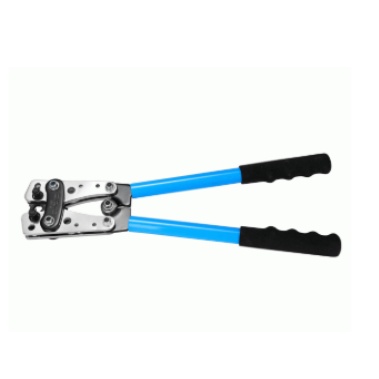
Manual crimping can lead to a variety of safety concerns, especially when heavy force is applied, or the tool is not properly handled. The repetitive motions involved in manual crimping can lead to repetitive stress injuries or muscle strain over time. Furthermore, improper technique or excessive force can cause injuries to hands, wrists, or arms.
Pneumatic crimping tools significantly improve operator safety by providing automatic force control through compressed air. Since the tool provides the force, the operator does not need to apply excessive pressure, reducing the risk of injury. The tool's consistent action also minimizes the chances of the operator accidentally damaging parts or causing injury due to incorrect handling.
Additionally, pneumatic tools can be equipped with safety features such as automatic shutoffs or safety guards, further reducing the likelihood of accidents. These tools are also less likely to lead to tool misfires or inconsistent crimps, which could result in faulty connections and subsequent damage to machinery or electrical systems.
By reducing the potential for physical strain and minimizing the risk of accidents, pneumatic crimping tools create a safer and more efficient working environment, ultimately contributing to long-term operator health and workplace safety.
Pneumatic crimping tools tend to have a longer lifespan compared to manual crimping tools due to their robust design and fewer moving parts that are prone to wear. The air-powered mechanism is generally more durable and can operate continuously for extended periods without experiencing the same level of fatigue or breakdowns that manual tools encounter.
Because pneumatic tools require less human intervention and are subject to less physical wear, they typically require less maintenance. The reduced number of moving parts means that there is less likelihood of failure or mechanical problems, translating into lower maintenance costs over time. With proper maintenance, pneumatic crimping tools can provide reliable, long-term service, which offers a high return on investment for manufacturers.
Moreover, pneumatic crimping tools are often designed with easy maintenance features such as accessible air filters, oiling points, and other user-friendly adjustments. Routine maintenance typically involves simple tasks like cleaning, oiling, and checking air pressure, which can be done quickly and efficiently. This ease of maintenance ensures that the tool stays in optimal working condition for extended periods, reducing downtime and repair costs.
In conclusion, pneumatic crimping tools offer a wide range of benefits that make them an essential tool for many industrial applications. From enhanced precision and consistency to increased productivity and reduced operator fatigue, these tools can greatly improve the efficiency and safety of crimping operations. They also provide cost-effective solutions with their durability and low maintenance requirements, ensuring that manufacturers and operators can rely on them for high-quality crimping in a variety of applications.
Whether you're in the automotive, electronics, telecommunications, or energy industries, using pneumatic crimping tools can improve your operational efficiency, product quality, and overall safety. These tools are the ideal choice for high-volume, high-precision applications that demand reliability and speed.
At Zhejiang VASUNG Tools Co., Ltd., we specialize in providing high-quality pneumatic crimping tools that meet the needs of industries worldwide. Our tools are designed to deliver consistent, high-performance results, ensuring your crimping operations run smoothly and efficiently.
If you are interested in learning more about our pneumatic crimping tools or would like to discuss how our solutions can enhance your production process, we invite you to contact us today. Our team is ready to provide you with the best tools and expert advice to meet your crimping needs.


