

Views: 0 Author: Site Editor Publish Time: 2026-08-12 Origin: Site


Manual wire harness assembly eventually hits a harsh production ceiling. Operators experience significant physical fatigue after hours of repetitive motions. This physical toll leads directly to inconsistent pull-force test results. High defect rates naturally follow this fatigue. Scaling high-mix, high-volume terminal work demands a smarter transition to automated tooling. You cannot sacrifice compliance when attempting to increase daily output. Relying purely on hand tools makes scaling safely almost impossible.
Upgrading to an electric crimping machine changes everything for your assembly line. It entirely shifts terminal work from a labor-intensive variable to a highly predictable process. We will explore how automated solutions resolve common assembly bottlenecks. You will learn how motorized equipment improves overall quality. We will show you how it streamlines daily operational workflows.
Electric models drastically reduce operator fatigue and cycle times, directly improving production yield per shift.
Consistent, motor-driven force application ensures reliable mechanical and electrical integrity, minimizing costly rework.
Upgrading from manual tools to a bench crimping machine requires assessing footprint, tooling changeover speed, and volume needs.
Modern features, such as a terminal crimper with digital display, provide real-time parameter tracking for stricter quality control.
Manual crimping processes inherently create variable crimp heights across production batches. Human hands simply cannot apply identical force hundreds of times per hour. Operators inevitably suffer from repetitive strain injuries (RSI) over time. These chronic injuries cause unpredictable cycle times. They also lead to frequent, costly assembly errors. Facilities need highly reliable alternatives to maintain consistent daily output.
You must define what a successful tooling upgrade looks like. Facilities should aim for a pass rate exceeding 99% on standard pull-force tests. Production teams must reduce the individual terminal cycle time to under 1.5 seconds. Faster cycles naturally lower your overall cost-per-crimp. This efficiency protects your production targets against rising labor shortages.
Motorized force entirely eliminates the human factor from pressure application. Machines apply exact, unwavering pressure every single time. This mechanical consistency ensures strict compliance across demanding industry standards. Automotive and aerospace wire harness specifications demand absolute precision. Industry frameworks require perfectly formed wire terminations. You easily achieve this critical yield through automated, motorized actuation.
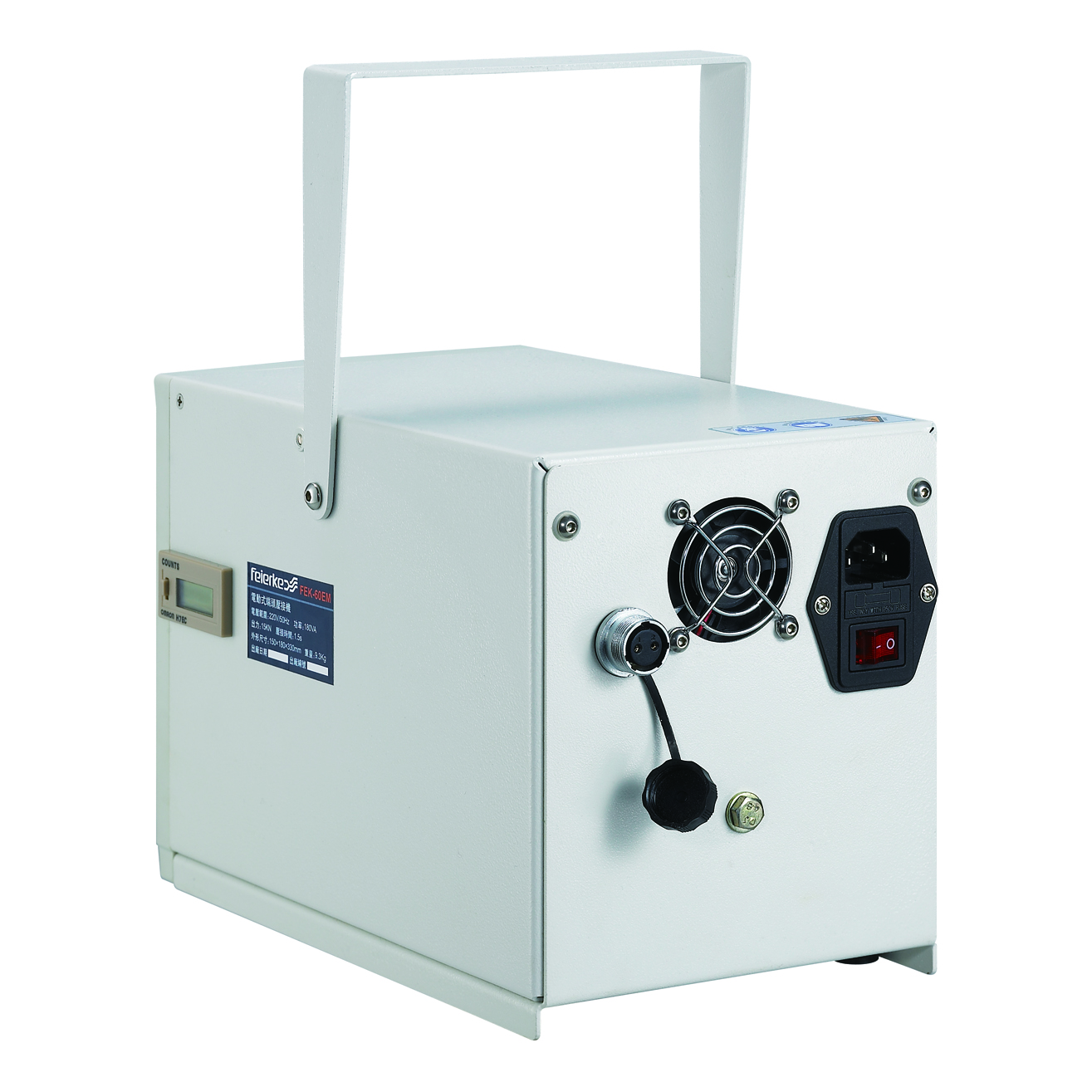
Facilities usually weigh two main automation paths for their assembly floors. You must carefully choose between electric and pneumatic operating systems. Understanding the infrastructure demands of each helps guide your procurement strategy.
Electric motors offer a highly convenient plug-and-play setup. They operate efficiently on standard AC power found in any facility. Facility integration happens quickly without extensive infrastructure modifications. Alternatively, a pneumatic crimping machine demands a dedicated infrastructure layout. You must install clean, dry, and heavily regulated compressed air systems. Air compressors require their own dedicated space and routine drainage.
Actuation styles differ greatly between these machine types. Electric operation feels remarkably smooth to the floor operator. It runs quietly in busy, densely packed assembly environments. Pneumatic power delivers instantaneous, aggressive mechanical force. The pneumatic action snaps closed with a distinct, sharp rhythm.
Maintenance realities dictate long-term machine reliability. You must evaluate the daily operational upkeep realistically. Pneumatic lines require constant airline lubrication to prevent internal binding. You must routinely replace rubber seals and check air filters. Electric models require much less daily mechanical intervention. We monitor standard motor lifespan and typical applicator die wear instead.
Evaluation Criteria |
Electric Models |
Pneumatic Models |
|---|---|---|
Power Source |
Standard AC electrical outlet |
Regulated compressed air line |
Actuation Feel |
Smooth, consistent, quiet |
Aggressive, instantaneous, loud |
Routine Maintenance |
Die inspection, motor monitoring |
Seal replacements, airline lubrication |
Facility Requirements |
Minimal (Plug-and-play) |
Extensive (Compressors, filters, hoses) |
A bench crimping machine brings immense logistical value to high-mix production floors. Operators easily process multiple unique terminal types during a single shift. They swiftly swap configurations to match varying, small-batch production orders. This adaptability prevents idle time across the assembly line. Footprint matters greatly when organizing these flexible workstations.
Data-driven quality control represents the absolute future of wire assembly. A terminal crimper with digital display provides unmatched precision and tracking. You can program highly specific crimping forces for different wire gauges. The intelligent system tracks exact batch cycle counts automatically. Supervisors lock these parameters digitally to prevent unauthorized manual adjustments.
Fast-change capabilities remain critical for reducing unnecessary line downtime. Tooling changeovers must happen swiftly between different product runs. Operators need accessible, tool-less mechanisms for swapping heavy applicator dies. Quick-release mounting bases keep the production rhythm entirely uninterrupted.
We reference standard industry models to benchmark expected machine performance. Evaluating specific dimensions helps buyers avoid underpowered equipment.
Motor Torque Ratings: These ratings determine the maximum wire gauge capacity the machine handles smoothly.
Jaw Compatibility: Broad compatibility ensures operators can tackle diverse, complex terminal shapes easily.
Foot-Pedal Responsiveness: Instant pedal communication dictates the overall rhythm and speed of the workstation.
Introducing new equipment brings a temporary but significant learning curve. Facilities need clear Standard Operating Procedures (SOPs) implemented immediately. Operators must understand precise terminal placement within the die jaws. They must also master proper foot pedal timing to avoid misfires. Strong training programs accelerate operator adoption significantly.
Follow this standard integration sequence for optimal results:
Review the specific wire harness diagram carefully before starting.
Select the matching applicator die for the required terminal.
Position the stripped conductor wire perfectly inside the terminal barrel.
Engage the foot pedal smoothly to complete the mechanical cycle.
Safety remains paramount around powerful motorized jaws. Modern equipment includes specific, non-negotiable safety features. You will find transparent finger guards and dual-activation modes. Emergency stops provide immediate risk mitigation during unexpected material jams.
Do not skip the rigorous initial calibration phase. Electric machines require precise tuning before mass production begins. You must verify the correct crimp height and width using calibrated micrometers. This exact measurement step prevents dangerous over-crimping. It also stops hidden conductor damage inside the terminal barrel.
Common Mistake: Operators often ignore the initial pull-force test. They assume the machine arrives perfectly calibrated out of the box. You should always run destructive sample tests before starting a full production batch.
Calculate your current daily manual output accurately. Compare it against your targeted future automated output. This raw math justifies the upfront capital expenditure easily. It reveals exactly how quickly the new equipment pays for itself through increased throughput.
Match the required machine tonnage rating against your internal material matrix. You must evaluate your most robust, thickest wire gauges. Consider your heaviest terminal materials used in daily production. The chosen machine must handle these extremes effortlessly without motor strain.
Prioritize equipment vendors offering highly responsive technical troubleshooting. You need readily available replacement dies to avoid production delays. Solid support makes a massive difference during unexpected machine downtime. For example, maintaining a FEK-60EM crimping machine requires a reliable partner. You need quick parts delivery and expert service advice to keep lines running.
An electric crimping machine represents a serious investment in robust process control. It delivers vital risk mitigation regarding operator safety and product defects. You gain fully scalable throughput for rapidly growing assembly operations.
Production managers should conduct a thorough time-study today. Analyze your current manual process closely. This study quantifies the exact return on investment timeline for an electric upgrade. The numbers often justify the transition immediately.
Consult a tooling specialist soon. Share your specific wire harness diagrams and volume targets. They will match your exact assembly needs to the most appropriate machine specifications.
A: Electric models dramatically reduce individual cycle times. They often complete a cycle up to ten times faster than hand tools. Motorized operation completely eliminates the necessary rest periods operators require when using manual crimpers. This continuous workflow drastically multiplies daily production volume.
A: Yes, they are highly versatile. The machine must simply accept interchangeable dies. Operators can easily swap these applicator dies to handle insulated, non-insulated, open-barrel, and closed-barrel terminals. This flexibility makes them perfect for high-mix assembly environments.
A: Digital models heavily focus on output reproducibility. They allow supervisors to set precise operating parameters. Operators can rely on batch counting and automatic error alerts. This advanced monitoring reduces reliance on operator intuition and guarantees consistent quality control.
A: Maintenance tasks remain generally low and manageable. You must keep the jaws clean and apply occasional lubrication. Inspecting the die alignment ensures proper function. However, regular pull-testing is absolutely mandatory to verify ongoing mechanical performance and electrical integrity.


