
- All
- Product Name
- Product Keyword
- Product Model
- Product Summary
- Product Description
- Multi Field Search
Please Choose Your Language

Views: 0 Author: Site Editor Publish Time: 2026-05-28 Origin: Site


You should use a hydraulic cable cutter safely and well. This keeps you and others safe. If you make mistakes, you can get hurt or break things. The POSDER EC-85C is a new tool. It helps you work safer and faster. If you follow steps and watch closely, you lower risks. You also get good results each time.
Wear the right personal protective equipment before using a hydraulic cable cutter. This keeps you safe from getting hurt. Always use safety goggles or glasses to protect your eyes from things that might fly up. Insulated gloves help protect your hands from electric shock. If you are near electrical dangers, wear flame-resistant clothes and a face shield. These steps make accidents less likely and help keep you safe every time you work.
Safety goggles or glasses for eye protection
Insulated gloves for electrical safety
Flame-resistant clothing and face shield for arc flash risk
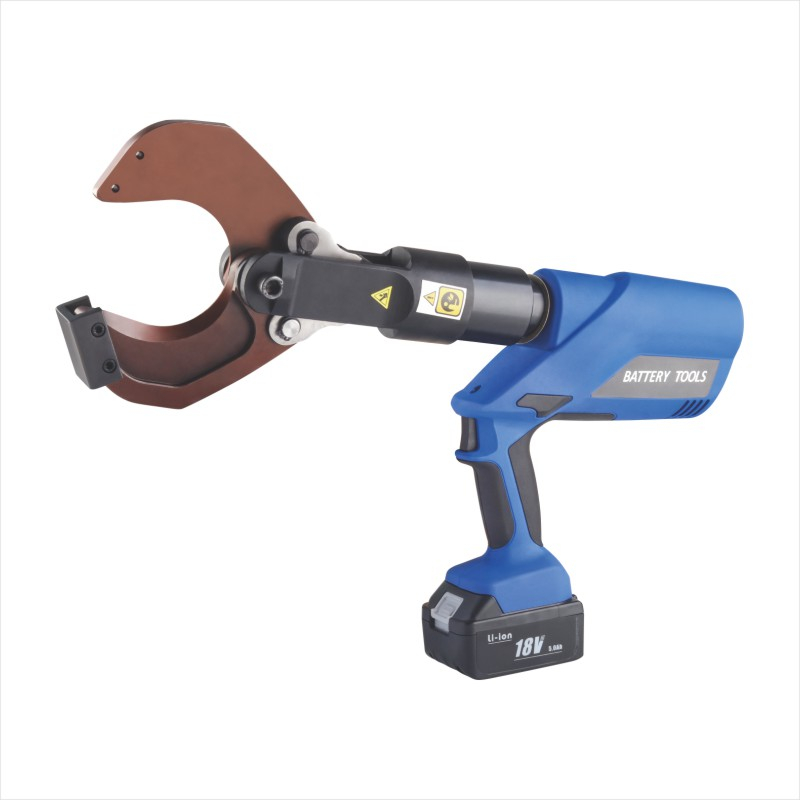
Check your hydraulic cable cutter before you use it each time. Look for any parts that are worn out or broken. Make sure the blades are sharp and strong enough. The blades should be at least 45 HRC hard to cut well. Use a diamond-coated file to sharpen the blades once a month. Keep the blade angle within 2 degrees. Test the jaws every week with bare copper wire to see if they line up right. Put hydraulic oil on moving parts to help them last longer. Always check that the blade guards and locks work. These steps help stop the tool from breaking and keep you safe.
Cause of Accident | Description |
|---|---|
Mechanical failures | Worn or damaged components can suddenly shift, fall, or break apart under load. |
Improper maintenance | Workers should inspect hoses, fittings, and components before use to prevent accidents. |
Hydraulic fluid leaks | Leaks can release fluid at high pressure, causing serious injuries that may not be immediately obvious. |
Connection hazards | Serious incidents can occur while connecting or disconnecting tools due to retained stored energy. |
Slips, trips, and entanglement hazards | Hoses can create tripping hazards if not managed properly. |
Pinching and crushing hazards | Improper positioning can lead to hands or feet being crushed by the tool's powerful motion. |
Get your workspace ready before you start cutting. Keep your area neat and pick up anything you do not need. Set up your workstation so you have enough room and can see your work clearly. Use a special cutting zone to keep cutting away from other jobs. Put your tools and cables in order so you do not have to reach in a strange way. This helps stop slips, trips, and other accidents. Keeping your workspace organized is very important for safety.
You need to choose a hydraulic cable cutter that matches the type and size of cable you plan to cut. If you use a cutter on cables that are too large or made from tough materials, you can damage the tool or get an incomplete cut. This can make your work unsafe and may cause accidents. For example, if you try to cut a cable that is 20% bigger than the tool’s rated size, the blade can become dull much faster. This means you will spend more time fixing the tool and less time working. Always check the cable’s material and diameter before you start. The POSDER EC-85C can cut copper and aluminum cables up to 85mm in diameter, so it works well for many jobs. When you match the cutter to the cable, you help keep your work safe and efficient.
Tip: Always read the tool’s manual to find the maximum cable size and type it can handle. This helps you avoid mistakes and keeps your cutter in good shape.
When you pick a hydraulic cable cutter, look for features that make your job easier and safer. Some important things to check include:
Cutting capacity: Make sure the tool can handle the cables you use most often.
Ergonomics: Choose a cutter that feels comfortable in your hands, especially if you use it a lot.
Safety features: Look for automatic blade retraction, lock-off switches, and overload protection.
Display and controls: Tools like the POSDER EC-85C have an OLED display that shows battery life and settings, which helps you work smarter.
Rotating head: A rotating cutting head, like the 350° head on the EC-85C, lets you work in tight spaces.
You should also think about the work environment and your own preferences. Picking the right tool helps you achieve proper use and keeps your work smooth and safe.
Before you start, you need to prepare the cable. First, measure and mark the spot where you want to cut. Make sure the cable is clean and free from dirt or oil. If you see any damage or frayed wires, do not use that section. Place the cable on a flat surface. Straighten it so it does not twist or bend during cutting. This helps you get a clean and even cut. When you prepare the cable the right way, you protect your tool and make your work safer.
Tip: Always use the correct blade type for your cable. This prevents damage and gives you a smooth cut.
You must set up your hydraulic cable cutter before you begin. Follow these steps to make sure your tool works well and keeps you safe:
Check that the blade is sharp and not worn out.
Place the cable in the cutting area. Make sure it lies flat and straight.
Secure the cable so it does not move.
Confirm that blade guards are in place and working.
Know where the emergency stop button is and how to use it.
Here is a table to help you remember the main preparation steps:
Preparation Step | Description |
|---|---|
Tool Selection | Use the right blade for your cable and check for wear. |
Hose Positioning | Place the cable flat and straight in the cutting area. |
Emergency Stop | Learn the location and function of the emergency stop button. |
Blade Guards | Make sure guards are in place and check for damage. |
Cleaning | Clean the tool after each use to keep it working well. |
Check the battery before you start. The POSDER EC-85C uses an 18V battery, which gives you enough power for many cuts. Make sure the battery is fully charged. Look at the OLED display to see the battery level and tool settings. The display helps you know if the tool is ready for use. If you see any warning signs or errors, fix them before you begin. A charged battery and a working display help you finish your cutting job without problems.
The cutting process with a hydraulic cable cutter requires careful steps and attention to detail. You need to follow the right instructions to keep your work safe and get a clean result. The POSDER EC-85C makes cutting cables easier with its smart features, but you still need to use the correct technique.
Start by placing the jaws of the hydraulic cable cutter around the cable section you want to cut. Make sure the jaws line up with your mark and grip the cable firmly. The 350° rotating head on the EC-85C lets you reach cables in tight spots or at odd angles. This feature helps you position the tool without straining your hands or arms.
Follow these steps for proper positioning:
Place the hydraulic cutter jaws around the section of cable you intend to cut.
Ensure that both jaws are securely aligned and gripping onto the cable without slippage.
Keep your hands away from the cutting area. Stand in a stable position so you do not lose your balance. Do not rock the tool back and forth. Hold it steady and let the cutter do the work. This technique gives you a straight, clean cut and keeps you safe.
Tip: Always double-check the cable position before you start. A small adjustment can make a big difference in the quality of your cut.
Once you have the tool in place, you can apply pressure to start the cutting. On the POSDER EC-85C, press the trigger to activate the hydraulic system. The tool will begin to apply pressure to the cable. Keep a steady hand and do not rush. Let the hydraulic force do the work. If you apply pressure too quickly, you might damage the cable or the tool.
Watch the OLED display for any alerts or changes in settings. If you see a warning, stop and check the tool before you continue. When the cut is almost complete, slow down and apply pressure gently. This helps prevent the cable from fraying or splitting at the end.
Note: Never try to force the cutter through a cable that is too large or hard. Always follow the tool’s instructions for safe operation.
After the cut, the EC-85C will release pressure and automatically retract the blade. This feature keeps your hands safe and gets the tool ready for the next job. Remove the cut cable and inspect the end right away.
Check the cut for any splayed wires, burrs, or separation. The end should look clean and smooth. If you see minor fuzz, trim it with a sharp tool. If you notice major fraying, you should recut the cable. Install the termination as soon as possible to keep the strands from separating.
Inspect the cut immediately for any splayed wires, burrs, or separation.
Ensure the end is clean and free of fraying; minor fuzz can be trimmed, but major fraying requires recutting.
Install the termination right away to prevent further separation of strands.
Reminder: Always keep your workspace clean after each cut. A tidy area helps you work faster and safer.
Taking care of your hydraulic cable cutter keeps you safe. It also helps you get good results every time. If you look after your tool, it will last longer. Your cutting jobs will go smoothly.
Check and clean your tool after you use it. This stops dirt from building up. Here are some easy steps to follow:
Wipe the blades with a dry cloth each day.
Brush the pivot points once a week to get rid of dust.
Take the tool apart once a month for a deep clean.
Clean with 70% isopropyl alcohol. Do not use cleaners with petroleum.
Put lubricant on the pivot points and blade edges. Focus on parts that move a lot.
Use silicone sprays for stainless steel. Use heavier oils for carbon steel.
Do not use WD-40 for long-term care.
Use a small dropper to put on oil. Move the cutter a few times to spread it.
Tip: Clean tools work better and last longer. Make cleaning a habit.
The POSDER EC-85C uses an 18V battery. Charge the battery all the way before you use it. Store batteries in a cool, dry place. Keep them away from heat and sunlight. If you will not use the tool for a while, take out the battery. Store it by itself. Always use the charger that came with your tool. This keeps the battery safe and ready for next time.
Check your tool often to find problems early. Use this table to help you know when to check:
Inspection Type | Frequency | Key Focus Areas |
|---|---|---|
Operator Walkaround | Daily / Every Shift | Fluid levels, leaks, noises, temperature |
Preventive Inspection | Weekly | Hose condition, filter indicators, pressure readings |
Comprehensive Audit | Monthly | All parts, fluid sampling, calibration checks |
Fluid Analysis | Quarterly | Particle count, water content, viscosity, acid number |
System Performance Test | Annually | Flow rates, pressure drops, cycle times, efficiency |
If you see damage or the tool does not work right, fix it before you use it again. Always follow the maker’s instructions for repairs.
Remember: Checking your tool often helps stop accidents. It keeps your tool ready for every job.
You can use hydraulic cable cutters safely if you follow some steps. Always put on your safety gear before you start. Pick the right tool for the job each time. Get your cable ready before you cut it. Clean and sharpen the blades often to keep the tool working well. This helps you work faster and better. Always follow the maker’s rules to avoid accidents. This makes sure every job is safe and done right. New tools like the POSDER EC-85C help you work safer and faster.
Check the OLED display for battery status and tool settings. Make sure the blade is sharp and the tool is clean. Always follow the instructions in the user manual before starting.
No, you should not use this tool for steel cables. The POSDER EC-85C is designed for copper and aluminum cables only. Using it on steel can damage the blades.
Stop using the tool right away. Check the battery and look for error messages on the display. Inspect the tool for damage. If you cannot fix the problem, contact the manufacturer for help.
Wipe the blades after every use. Lubricate the moving parts once a week. Deep clean the tool once a month. Regular care keeps your cutter working well and helps it last longer.
No, you should avoid using the tool in wet or damp areas. Water can cause electric shock or damage the battery. Always keep your workspace dry for safety.


