
- All
- Product Name
- Product Keyword
- Product Model
- Product Summary
- Product Description
- Multi Field Search
Please Choose Your Language

Views: 0 Author: Site Editor Publish Time: 2026-08-05 Origin: Site


Utility grids carry massive electrical loads daily. These intricate networks rely entirely on robust power infrastructure. Specialized cable preparation acts as the absolute backbone of these reliable systems. Every single underground connection must perform flawlessly under immense electrical stress. Improper stripping on high voltage lines presents severe risks to the entire grid. It leads directly to dangerous micro-scoring and erratic partial discharge. Eventually, you will face catastrophic cable joint or termination failures. Such sudden failures disrupt critical grid operations instantly. They also severely compromise field worker safety. This guide transitions you from basic tool awareness to a strict technical evaluation framework. We provide clear methodologies for your engineering teams. You will discover how to select the perfect instrument for the job. We help you match specific equipment accurately to distinct voltage ratings and complex cable architectures.
High voltage stripping tools are precision instruments designed to prevent insulation damage, fundamentally differing from low-voltage wire strippers in blade control and torque management.
Selecting the right tool requires matching the stripper to the specific cable layer—particularly differentiating between primary insulation and the semiconductor screen.
Standardizing on compliant tools (e.g., tools rated for specific ranges like a 20KV cable stripping tool) reduces contractor error, accelerates installation time, and ensures compliance with utility safety protocols.
High voltage cables function as highly complex engineered systems. They bear little resemblance to basic household wiring. You must understand their intricate architecture before attempting any preparation. Manufacturers construct these heavy-duty lines using multiple protective layers. Each unique layer demands precise handling and specialized cutting techniques.
We can break down this anatomy into a distinct hierarchy. Engineers typically encounter the following structure during field splicing operations:
Outer Jacket: This rugged exterior protects against physical abrasion and moisture ingress.
Metallic Shield: It contains the electric field and provides a safe fault current path.
Outer Semiconductor Layer: This conductive screen smooths out electrical stress across the core.
XLPE or EPR Insulation: The thick dielectric core prevents electrical current from escaping.
Main Conductor: The central copper or aluminum core carries the actual load.
The true cost of inaccuracy during preparation is staggering. Using standard utility knives creates massive problems in the field. Basic blades leave microscopic scratches in the thick dielectric material. Engineers refer to this dangerous phenomenon as the micro-void problem. These tiny flaws trap minute pockets of air. Extreme electrical stress eventually causes current to track across these voids. Over time, relentless partial discharge literally eats away the joint.
You must approach preparation with absolute precision. A specialized high voltage cable stripper acts primarily as a risk-mitigation device. It serves a much higher purpose than simple material removal. Manufacturers engineer these robust devices specifically to maintain maximum dielectric strength. They ensure every cut remains perfectly smooth and mathematically exact. Your team avoids catastrophic field failures by deploying outcome-focused solutions.
Different materials require vastly different cutting mechanisms. You cannot use a single universal blade for every layer. Specialized equipment guarantees optimal safety during complex splicing operations.
Crews often encounter incredibly tough cross-linked polyethylene (XLPE) or ethylene propylene rubber (EPR). These dense materials resist standard cutting methods fiercely. You need purpose-built strippers to handle thick primary insulation correctly. These sophisticated tools feature advanced spiral cutting capabilities. The blade travels seamlessly along the cable axis. This motion removes the tough XLPE in one continuous, smooth strip. Furthermore, modern tools integrate vital chamfering functions. They bevel the thick edge safely to prevent stress concentrations.
Removing the semi-con screen poses unique operational challenges. You will encounter both bonded and strippable screen variations in the field. Strippable screens pull away with relative ease. Bonded screens, however, fuse permanently to the underlying insulation. You must deploy a dedicated semiconductor layer stripper for these fused layers. This specialized device removes the rigid conductive layer with micron-level depth precision. It shaves the exact thickness required. This pinpoint accuracy totally eliminates the risk of scoring the delicate insulation underneath.
Tool requirements scale dramatically alongside electrical voltage ratings. You must recognize the critical overlap and distinctions between equipment classes. A typical mid voltage cable stripper manages lines rated between 5kV and 35kV. These tools handle moderate diameters and standard insulation thicknesses easily. However, transmission-level lines pushing 69kV and above demand entirely different geometries. High voltage variants accommodate massive cable circumferences. They feature highly extended blade depths to penetrate extra-thick dielectric barriers safely. Using underrated equipment on transmission lines guarantees equipment failure.
Engineering teams must evaluate field equipment rigorously. You should never base procurement decisions on simple aesthetics. Every feature must actively contribute to flawless electrical terminations.
Strict blade calibration remains a totally non-negotiable requirement. You must evaluate the adjustment mechanisms closely before adopting any model. Look for high-precision micrometric dials mounted securely on the tool body. These fine-tuning dials must lock definitively into place. Secure locks prevent dangerous blade drift during heavy, repetitive rotation. A shifting blade ruins expensive insulation instantly.
High-volume utility deployments cause extreme worker fatigue. Trench environments demand intense physical exertion from splicing crews. You should compare manual hand-crank models directly against drill-operable designs.
Drive Mechanism | Operation Style | Fatigue Factor | Ideal Application Scenario |
|---|---|---|---|
Manual Hand-Crank | Rotary hand motion | High | Low-volume repairs, confined vault spaces |
Drill-Operable | Power tool assisted | Low | High-volume new installations, massive diameter lines |
Drill-assisted designs speed up field preparation drastically. They reduce the severe physical toll on your frontline workers. Less fatigue translates directly into fewer preparation errors.
Electrical fields behave unpredictably around sharp geometric edges. Sharp cuts cause intense electrical stress concentrations inside the joint. A built-in chamfering feature permanently solves this dangerous issue. It tapers the insulation cut-back smoothly into a gentle slope. This precise beveling is a strict requirement for long-lasting high-voltage terminations.
Harsh trench environments destroy weak, poorly manufactured equipment rapidly. Assess the underlying material and build quality carefully. When evaluating a 20KV cable stripping tool, look for anodized aluminum bodies. Drop-forged steel components also provide incredible durability. These robust materials withstand accidental drop impacts easily. They maintain strict factory calibration even after rough handling in extreme weather.
Deploying specialized equipment across massive utility networks involves strategic planning. You must manage operational risks carefully to ensure consistent grid reliability.
Contracting fleets benefit immensely from strict equipment uniformity. Adopting a specific tool profile across various field teams reduces operational friction. It simplifies your internal training programs significantly. Standardized equipment lowers the likelihood of catastrophic procedural errors. Workers develop strong muscle memory when they utilize consistent gear daily.
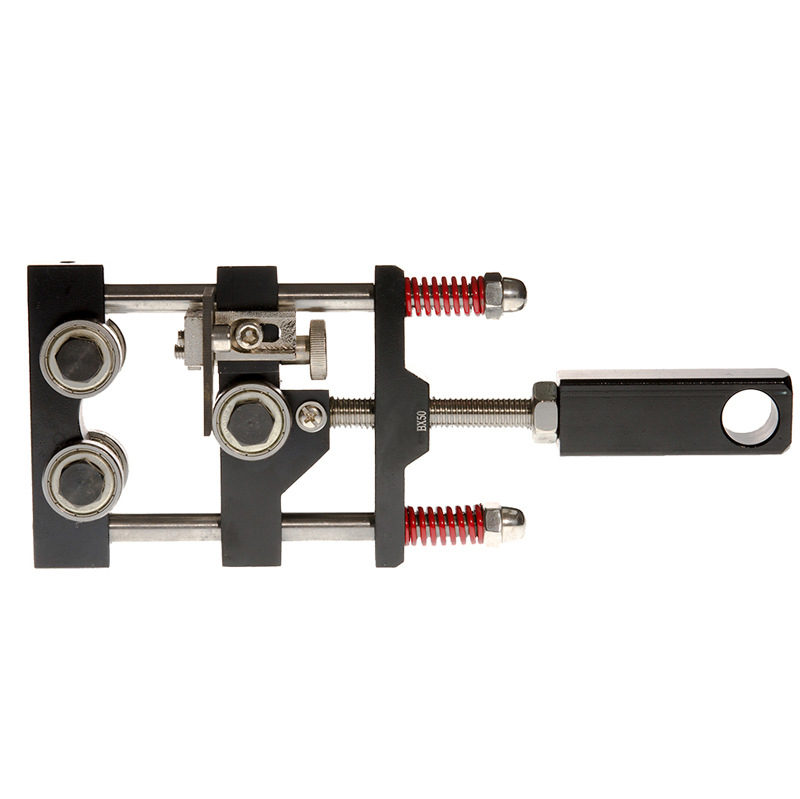
Industry veterans frequently look at the BX-50 cable stripper as a definitive benchmark. This specific profile excels in heavy-duty insulation removal tasks. We can deconstruct exactly why crews favor this rugged style. It features highly optimized cutting angles designed specifically for dense XLPE. The robust clamping mechanism secures thick-diameter utility lines perfectly. It prevents any wobble or slipping during rotational cutting. Such unmatched stability guarantees a flawless dielectric surface every single time.
Safety compliance always overrides all other operational concerns. Precision stripping tools are absolutely fantastic for de-energized, isolated lines. However, actual live-line work demands entirely different protocols. Crews operating on energized grids require strictly insulated tool variants. These specific variants prevent fatal phase-to-ground faults during preparation.
Inspect all insulated handles for microscopic cracks before every shift.
Wear tested, voltage-rated rubber gloves alongside protective leather outer shells.
Maintain strict minimum approach distances while positioning the stripper.
Adhere rigidly to your local utility standard operating procedures (SOPs).
Acquiring the correct equipment requires methodical internal auditing. You should never order specialized tooling blindly without assessing your actual field requirements.
Buyers must audit their current and upcoming network expansions carefully. Take time to document your most frequently used cable diameters. You must record all maximum and minimum insulation thicknesses accurately. Gather this exact empirical data before issuing any request for quotes. Tool specifications strictly limit the maximum diameter they can accommodate safely. Purchasing an undersized unit halts your field operations immediately.
Consumable parts dictate the actual long-term usability of your equipment. Supply chain availability for replacement blades remains paramount. The most durable metal tool body becomes totally useless without sharp blades. Proprietary blades stuck on indefinite backorder will halt your splicing projects completely. You must partner with manufacturers who guarantee steady consumable inventory.
Relying on a single obscure vendor for proprietary replacement blades.
Failing to stock spare blades directly inside the field technician's primary toolkit.
Ignoring minor blade chips, hoping they will not affect the final dielectric cut.
Your team avoids disastrous splice failures by ensuring consistent tool maintenance. You secure absolute operational reliability through highly strategic vendor selection.
Investing in purpose-built preparation equipment fundamentally guarantees long-term grid reliability. These high-precision instruments protect worker safety directly in hazardous field environments. Exacting blade calibration prevents the microscopic insulation damage driving systemic power failures. You cannot afford to compromise on dielectric integrity during major infrastructure projects. We strongly recommend taking direct action to upgrade your current tool fleet. Consult immediately with a specialized tooling distributor in your region. Ask them to arrange a hands-on physical demonstration for your engineering team. Provide them with your specific field cable samples to ensure absolute compatibility.
A: No, you should strictly avoid this practice. Mid-voltage tools cannot accommodate the massive outer diameters of transmission lines. Their blade depth adjustments fail to penetrate extra-thick insulation layers safely. Using them causes dangerous insulation tearing and immediate equipment damage. You must use tools specifically rated for transmission-level circumferences.
A: Peelable screens simply require scoring before you pull them away manually. Bonded screens fuse directly into the primary insulation layer during manufacturing. You must use a highly calibrated semiconductor layer stripper for bonded screens. It shaves the tough material precisely without nicking the delicate dielectric insulation beneath.
A: Replace blades immediately if you notice any jagged cuts or increased rotational resistance. You should visually inspect the blade edge before every major splicing project. Heavy utility usage typically requires replacement every few months. Always keep spare blades in your toolkit to prevent unexpected field delays.
A: Rotary tools are specifically engineered for perfectly round cables. They will fail to track correctly on non-circular or sector-shaped profiles. The blade depth fluctuates dangerously on irregular surfaces. For non-circular shapes, you must rely on specialized forming dies or highly controlled manual techniques to remove insulation safely.


